


What is Wardrobes
A wardrobe is not just a piece of furniture; it is a personal space that reflects one”s style, preferences, and organization skills. Whether you have a small closet or a spacious walk-in wardrobe, it plays a crucial role in keeping your clothes, shoes, and accessories neatly stored and easily accessible.
Efficient use of space
Thanks to the utilization of vertical space, wardrobes offer maximum capacity in a compact space. So if you have a smaller bedroom or apartment, you can buy one.
Easy to clean
Customized wardrobes don’t have the annoying gaps and gaps that tend to collect dust like freestanding wardrobes. No more dusting chicken feathers from the top of your closet or trying to install a hoover nozzle underneath to get rid of stray dust bunnies.
Customizable
Fitted wardrobes are designed and customized to your specific needs. It can be frustrating when you can’t find the perfect freestanding wardrobe that comes with all the compartments, rails, or shelves you need. With the right wardrobe, you can design the space to suit your requirements, whether that's a shoe rack, additional shelves for extra storage or longer hanging rods for more clothes.
Unique features
Wardrobes can include amazing features that suit your needs. For example, if you have a jewelry collection, you can combine jewelry drawers with organizers. If you have a lot of maxi dresses, consider setting up a full-length hanging area. These personalized touches make your wardrobe more practical and user-friendly.
Environmental benefits
A wardrobe can be a creation with sustainability in mind. You can choose eco-friendly materials and finishes, reducing your ecological footprint compared to mass-produced furniture.
-

Material: Melamine, particle board, etc.. Type: Sliding closet doors. Color: White, and we accept customized color. Hardware: Chinese Brand. Advantage: Simple and generous, save space.
Add to Inquiry -
Style: Mordern. Hardware accessories: Chinese brand. Type: Sliding closet doors. Material: Melamine, particle board, etc.. Color: White, etc.. Design Style: Modern.
Add to Inquiry -
Freestanding Swinging Closet Doors
Type: Swinging closet doors. Material: Melamine, particle board, etc.. Color: White, and we accept customized color. Delivery time: 40-60 days after receipt of deposit. Sample: We need to receive
Add to Inquiry -
Type: Swinging closet doors. Material: Melamine, particle board, etc.. Color: White,etc.. Application: Hotel, Wardrobe/Closet.
Add to Inquiry -
General Use: Home Furniture. Type: Walk in closet. Material: Melamine, particle board, etc.. Color: White, and we accept customized color. Design: Professional Customized.
Add to Inquiry -
Type: Walk in closet. Material: Melamine, particle board, etc.. Color: White, Black, and we accept customized color. Delivery time: 40-60 days after receipt of deposit. Sample: We need to receive
Add to Inquiry


Why Choose Us
Advanced equipment
We take strong measures to ensure that we use the best quality equipment in the industry and that our equipment is meticulously maintained on a regular basis.
Professional team
We have a team of highly skilled and experienced professionals who are well-versed in the latest technologies and industry standards. Our team is dedicated to ensuring our customers receive the best service and support.
Competitive price
We offer our products at competitive prices making them affordable to our customers. We believe that high-quality products should not come at a premium, and we strive to make our products accessible to everyone.
Experience
Having a long-standing reputation within the industry sets it apart from its competitors. With years of experience, they have developed the skills needed to meet their clients' needs.
Efficient and convenient
The company has established a global marketing network to provide customers with high-quality services efficiently and conveniently.
Quality assurance
In terms of quality assurance, the company strictly follows the standards and specifications of the industry quality system. Use industry-leading testing equipment to ensure product quality and good reputation.
Definition of a Wardrobe


A wardrobe, also known as a closet or cabinet, is a piece of furniture designed to store clothes, shoes, accessories, and other personal items. It provides a dedicated space to keep your belongings organized and protected from dust, sunlight, and other environmental factors that can damage your items.
Traditionally, a wardrobe consists of one or more compartments with shelves, drawers, hanging rods and sometimes built-in mirrors. It can be freestanding or built-in, depending on available space and personal preference.
Wardrobes come in a variety of sizes, styles, materials, and configurations. From simple designs with smooth lines to ornate and intricate details, there are a variety of options to suit different aesthetic preferences and interior decorating styles.
One of the defining characteristics of a wardrobe is its ability to provide a sense of organization and order. By storing clothes, shoes, and accessories neatly in designated compartments, a wardrobe can help you simplify your morning routine and find what you need easily.
Wardrobe can also reflect your personal style. From color-coordinated outfit arrangements to displaying your favorite accessories, it allows you to showcase your fashion sense and create a visually appealing space.
In today's modern world, a wardrobe is not limited to just storing clothes. As technology advances, many wardrobes now come with features like built-in lighting, charging ports, and adjustable shelving systems to suit different storage needs.
Wardrobes are defined as more than just storage solutions. It is a functional and beautiful piece of furniture that helps keep your personal belongings organized, protected and easily accessible.
Organization
One of the main purposes of a wardrobe is to help us stay organized. With specialized compartments such as racks for folding clothes, hanging rods for skirts and shirts, and drawers for small items, wardrobes allow us to categorize and arrange our belongings systematically. Not only does this make it easier to find what we need, it also reduces clutter and promotes a tidy living space.
Protection
Wardrobes provide protection to our clothes and other personal belongings. Help extend their life and maintain their quality by protecting them from dust, sunlight and moisture. Additionally, a well-ventilated wardrobe prevents mold growth and ensures our clothes stay fresh and odor-free.
Easy Access
Another important purpose of a wardrobe is to keep our clothes and accessories easily accessible. Everything is organized and ready to go, and we can quickly choose the right outfits and accessories for different occasions. This saves us time and energy, especially on busy mornings when we need to get ready quickly.
Space Optimization
Wardrobes are designed to maximize storage space. They make efficient use of vertical and horizontal space, allowing us to store a large number of items in a compact area. This is especially beneficial for those who live in small apartments with limited space or where every square inch counts.
Aesthetics
A well-designed wardrobe can enhance the aesthetics of a room. Wardrobes are available in a variety of styles, finishes and materials to complement the overall interior décor and create a cohesive look. It can add a touch of sophistication and elegance to a space while reflecting our personal style and taste.
Privacy
Wardrobes provide privacy for our personal belongings. It allows us to hide our clothes, shoes and accessories, maintaining a sense of privacy and preventing them from being damaged or misplaced.
Freestanding Wardrobe
Also known as a standalone wardrobe, this type of wardrobe is not attached to the walls and can be easily moved or rearranged. It is a popular choice for those who frequently change residences or prefer flexibility in their furniture arrangement. Freestanding wardrobes come in various designs and sizes, offering ample storage space for clothes, shoes, and accessories.
Built-in Wardrobe
A built-in wardrobe is custom-designed to fit seamlessly into the available space in a room. It is typically fixed to the walls and floor, making it a permanent fixture. Built-in wardrobes are highly versatile and can be tailored to specific storage needs. They can utilize every inch of available space, including utilizing high ceilings for additional storage options.
Walk-In Wardrobe
A walk-in wardrobe is a dream come true for those who have ample space to spare. It is a separate room or a designated area within a room that allows you to walk into the wardrobe. Walk-in wardrobes provide an abundance of storage space, allowing for easy organization of clothes, accessories, and even a dressing area. They often include features such as built-in lighting, full-length mirrors, and island units for added convenience.
Fitted Wardrobe
Similar to a built-in wardrobe, a fitted wardrobe is customized to fit snugly into the available space. Fitted wardrobes are tailored to the exact measurements of the room and often incorporate sliding doors to maximize space efficiency. They blend seamlessly with the room' s architecture and can be designed to match the existing decor style.
Mirrored Wardrobe
Mirrored wardrobes feature built-in mirrors on one or more of their doors. These wardrobes serve a dual purpose by combining storage functionality with a full-length mirror. Mirrored wardrobes help create a sense of space and light in smaller rooms, making them appear larger and more open.
Wardrobe with Drawers
Wardrobes with drawers provide additional storage options for smaller items, such as socks, underwear, and accessories. The drawers can be integrated into the design of the wardrobe, either as a built-in feature or as standalone units. This type of wardrobe eliminates the need for additional furniture pieces like dressers or chests of drawers.
Sliding Door Wardrobe
Sliding door wardrobes are a popular choice for those looking to save space. Instead of traditional hinged doors that swing open, sliding doors glide along tracks to reveal the interior of the wardrobe. Sliding door wardrobes are sleek and modern in design, making them ideal for contemporary interiors.
Open Wardrobe
An open wardrobe, as the name suggests, is a non-enclosed storage system for clothes and accessories. It typically consists of open shelves, hanging rods, and sometimes drawers. Open wardrobes offer easy access to clothes and allow for visible organization. They are a great option for those who prefer a minimalistic look or want to showcase their fashion collection.
Organizing and Maximizing Storage Space in a Wardrobe
Declutter and Sort
Start by decluttering your wardrobe. Take out all your clothes, shoes, and accessories and assess each item. Donate or discard items that no longer fit, are damaged, or that you no longer wear. Sort the remaining items into categories such as tops, bottoms, dresses, and accessories.
Utilize Vertical Space
Make use of the vertical space in your wardrobe by incorporating hanging rods, hooks, or cascading hangers. Hang clothes that are better suited for hanging, such as dresses, blouses, and jackets. Opt for slim and non-slip hangers to maximize hanging space.
Fold and Stack
Fold and stack items such as t-shirts, sweaters, and jeans to make efficient use of shelves and drawers. Utilize folding techniques like the KonMari method or Marie Kondo method to ensure a neat and space-saving arrangement.
Use Shelf Dividers and Organizers
Install shelf dividers to separate different categories of items and prevent them from toppling over. Consider using fabric or acrylic shelf organizers to create separate compartments for items such as bags, scarves, or folded clothes.
Utilize Drawer Organizers
Use drawer organizers or dividers to keep smaller items like socks, underwear, and accessories neatly separated. These organizers prevent items from getting tangled or lost in the back of the drawer.
Utilize Door Space
Make use of the inside of your wardrobe doors for additional storage. Install hooks or hanging organizers to hang belts, ties, or scarves. You can also attach over-the-door shoe organizers to store shoes, accessories, or small items.
Optimize Floor Space
Use the floor space of your wardrobe wisely. Place shoes on shoe racks or invest in shoe cubbies to keep them organized and prevent them from taking up excessive space. Consider under-bed storage boxes or vacuum-sealed bags for seasonal clothing or items you don' t frequently use.
Label and Categorize
Use labels or tags to identify specific sections or storage containers. Categorize your items further by color, type, or occasion to make it easier to locate items quickly while maintaining an organized appearance.
Regularly Rotate Seasonal Items
To create more space, consider rotating your seasonal clothing. Store off-season clothes in vacuum-sealed bags or storage containers to free up valuable space within your wardrobe. This ensures that you have easy access to the clothes you need while keeping your wardrobe clutter-free.
Review and Reorganize Periodically
Regularly reassess your wardrobe to maintain its organization. Remove any items that no longer serve you and reorganize sections as needed. This will help prevent clutter from building up and ensure your wardrobe remains functional and well-organized over time.
What Are the Ideal Wardrobe Measurements
Hinged Wardrobe
The front doors of these wardrobes are secured with simple hinges.
The standard depth for a hinged wardrobe is 24 inches. If your room has limited space, then you can go for a depth of 22 inches; but keep in mind that this depth is not deep enough for hanging clothes.
The height of the closet should match the height of the door lintel, which is typically 84 inches, or you can use floor-to-ceiling space to create a full-height closet.
The door panel width of a single or double-door wardrobe should not exceed 24 inches, otherwise the hinges will be overloaded.
Sliding wardrobe
These wardrobes consist of front panels that slide on tracks.
Sliding door closets should have a depth of 26 inches, including about 2 inches of runway to allow the sliding panels to move freely and prevent clothing from getting stuck inside.
The minimum length of a sliding door closet (left to right) should be at least 7 feet to accommodate two door panels of 3.5 feet each. This allows you to access each 3.5-foot-wide opening of the closet at once.
Each panel of a sliding wardrobe should be no wider than 4 feet, otherwise the panels will be heavy and difficult to slide.
Men' s wardrobe
Introduce two rails for hanging shirts, as in this example, to vertically divide the wardrobe into two equal parts. The minimum height of each section shall be at least 40 inches.
There should be at least 3 inches of space between the railing and the top of the closet to allow enough room to remove and replace the hangers.
A closet dedicated to storing coats should be 28-30 inches deep. Note that the coat is wider than a regular shirt; the sleeves of the coat should not get caught in the wardrobe door panels.
Ladies wardrobe
For hanging women's clothing, such as gowns, collarless gowns, or maxi dresses, the vertical clearance of the hanger section should be 66-72 inches. (Adjust height according to personal height and requirements).
Hang your saree or formal blouse in a smaller area with a height of 40 inches.
Introduce open shelves to store folded clothes. There should be at least 12-15 inches of clearance between each shelf.
Children's Wardrobe
Divide the vertical length of the closet into three sections of approximately 28 inches each to accommodate hangers. They are perfect for hanging children's and toddlers' clothes.
Introduce drawers in different sizes between 6 and 15 inches to accommodate your child' s accessories, books and toys.
Choose open shelves spaced 12 inches apart. They can be used to store shoes, folded clothes and towels.
Walk-in wardrobe
If there are closets on opposite (opposite) sides of the closet, there should be about 54-60 inches of clearance between the opposing closets so that even if one of the closet doors is open, there is still enough room to get through.
If there is only a closet on one side of the wall, there should be at least 3 feet of clearance in front of the closet to allow comfortable access to the closet.
Note: If your walk-in wardrobe is narrow, choose a sliding-panel wardrobe; they are a space-saving solution.
Wardrobe drawers
Consider adding a set of drawers to your wardrobe as they are very comfortable to use and access. A common depth for multi-purpose drawers is about 8 inches.
For accessories such as belts, ties, and jewelry, drawers can be 4-6 inches deep.
Shoe rack
Each shoe rack is 6-7 inches tall. This is enough to store heeled sandals and shoes, flats, running shoes and even shoes stored in boxes.
If you want to store long boots, choose a section that' s about 18-20 inches tall.
The depth of the shoe cabinet should be approximately 15 inches.
Considerations When Choosing a Wardrobe


Available Space
Measure the dimensions of the area where you plan to place the wardrobe. Consider both the width and height to ensure a proper fit. If space is limited, consider opting for a compact or built-in wardrobe to maximize storage without overcrowding the room.
Storage Requirements
Evaluate your storage needs to determine the size and configuration of the wardrobe. Consider factors such as the number of clothes, shoes, and accessories you have, as well as any specific storage requirements like hanging space, shelves, or drawers. Opt for a wardrobe that offers enough storage solutions to accommodate your belongings.
Quality and Durability
Wardrobes are an investment, so it' s important to choose one that is well-constructed and made of durable materials. Look for wardrobes made from sturdy materials like solid wood or high-quality engineered wood. Ensure that the hardware, such as hinges and handles, is also of good quality as they contribute to the overall durability and functionality of the wardrobe.
Style and Aesthetics
Consider the overall style and aesthetic of your room when selecting a wardrobe. Choose a design that complements your existing decor and reflects your personal style. Whether you prefer a modern, minimalist look or a more traditional and ornate design, there are numerous options available to suit different preferences.
Accessibility and Organization
Consider how easily accessible and organized you want your wardrobe to be. Look for features like adjustable shelves, hanging rods, and drawers that can help you keep your clothes and accessories neatly arranged. Additionally, think about the ease of access to different sections of the wardrobe and how well it facilitates your daily routine.
Budget
Set a budget for your wardrobe purchase and explore options within your price range. Keep in mind that while it is important to stick to a budget, investing in a quality wardrobe that meets your needs and lasts for years is often a wise decision.
Installation and Assembly
Consider whether you prefer a wardrobe that comes pre-assembled or one that requires assembly. Pre-assembled wardrobes are convenient and save time, but they may have limitations when it comes to navigating doorways or staircases. On the other hand, flat-packed wardrobes offer flexibility and can be easily transported, but require assembly skills or professional assistance.
Additional Features
Think about any additional features or accessories that may enhance the functionality of your wardrobe. This could include built-in lighting, integrated charging ports, pull-out shoe racks, or tie and belt organizers. Assess your specific needs and explore wardrobes that offer these features to make your storage experience more efficient and convenient.
Convinced by all that a custom-made wardrobe has to offer? How can you then go about designing your very own wardrobe? For starters, it is important to understand the different types of wardrobes that are available. Thereafter, you' ll have to decide between a wall and pole system wardrobe — they are, after all, two of the most popular types of custom wardrobes on the market today. While both fall under the custom-designed wardrobe umbrella since they are tailored to fit and personalised, they do have their own distinctive features. And if rigidity, structural integrity, and flexibility are what you are after, then the wall system wardrobe is worth considering.
The wall system wardrobe is fully customisable to the point where it can help you realise your dream storage space. Built from scratch based on your requirements, wall system wardrobes are a stylish one-time investment. From having them function as a divider or room partition to being a simple floor-to-ceiling wardrobe with modifiable internal compartments, these wardrobes will be made to measure.

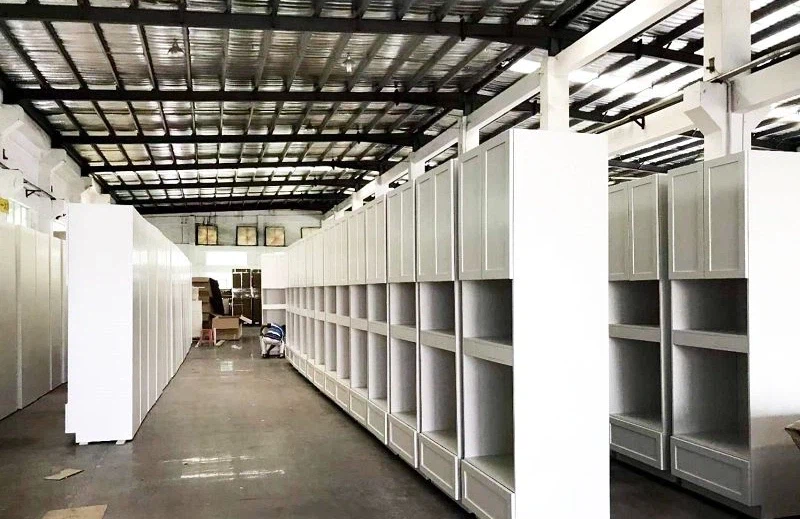
Stoniture, a global supplier of countertops, furniture, and customized products, operates manufacturing facilities in Fujian and Vietnam. Committed to creating added value for our customers, we attribute our company's success to the exceptional quality of our products. Adhering to the highest standards outlined in ISO9001:2000 and enforcing a rigorous quality control system, we ensure that our offerings consistently meet and exceed customer expectations. Our dedication to quality craftsmanship is a cornerstone of our business, positioning Stoniture as a reliable choice for discerning customers worldwide.



FAQ
We're well-known as one of the leading wardrobes manufacturers and suppliers in China. Please feel free to wholesale custom made wardrobes at competitive price from our factory. Good service and quality products are available.
MDF Thermofoil, Office Bookcase, Black Shoe Cabinet